Your garage door probably gets more use than you realize. It opens for school drop-offs, packages, pets, cars… and often gets ignored until something goes wrong.
One of the most common early warning signs that a garage door needs attention? Weird sounds.
Whether it’s a groan, squeak, pop, rattle, or thump — sounds tell a story. And understanding them can save you stress, money, and potentially dangerous failures down the road.
Let’s break down what some of those noises usually mean — especially here in Arizona where heat, dust, and seasonal changes affect how systems behave.
1. Squeaks and Chirps: Dry or Loose Hardware
If your door sounds like it’s whispering every time it moves, that’s usually one of the simplest issues to fix.
Common causes:
Dry rollers and hinges
Loose bolts and screws
Lack of lubrication
In the dry desert air, grease and oil break down faster — especially if your garage door has been untouched for a while.
Quick tip: A light garage-door lubricant (not just WD-40) applied to hinges, rollers, and springs can quiet things down. But if the sound returns quickly, it’s a cue to have a pro check alignment or worn hardware.
2. Loud Banging or Thudding: Cable or Spring Issues
A heavy bang when the door moves — especially on opening or closing — is not normal.
This often points to:
Loose or broken cables
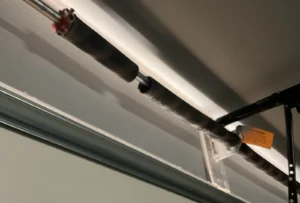
Worn torsion springs
Track misalignment
These parts handle a lot of tension. When they start failing, the door gets heavier and louder — and potentially dangerous. In Arizona’s heat, metal components expand and wear faster, increasing stress on springs and cables.
Don’t ignore this sound. If your door starts banging, call a technician before someone gets hurt or something breaks completely.
3. Grinding or Scraping: Track or Roller Damage
If your garage door sounds like it’s dragging something heavy across concrete, that’s a good indicator the rollers or tracks are out of alignment or damaged.
Signs include:
Arizona’s dust and grit can accelerate wear on rollers — especially if they’re plastic or cheap steel.
Professionals can re-align the tracks, replace worn rollers, and check that the door moves smoothly from top to bottom.
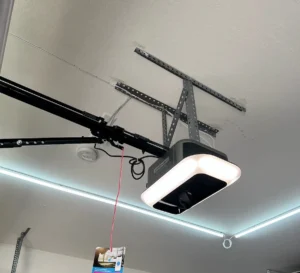
4. Clicking or Intermittent Noise: Opener Electrical Issues
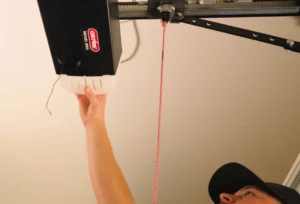
Sometimes the noise isn’t the door itself — it’s the opener.
Clicking, intermittent beeps, or erratic starts and stops can mean:
This is especially common in older openers or units stressed by frequent starts/stops.
An opener that struggles to lift a heavy door (even silently at first) can lead to worse problems if ignored.
When Sounds Signal “Professional Needed”
Some noises are normal — minor squeaks from hinges or occasional groaning as weather changes. But others are warning lights:
🔹 Loud bangs or thuds
🔹 New grinding or scraping
🔹 Sudden changes in how the door moves
🔹 Rapid cycling or hesitation
If you hear any of these, it’s time for an inspection.
Why Acting Early Matters in Arizona
Garage doors are mechanical systems under constant tension. When a component starts to fail, it rarely gets better on its own — and heat, dust, and seasonal swings in Phoenix and surrounding areas accelerate wear.
Addressing strange noises early can:
✅ Prevent bigger repairs
✅ Extend the life of your door and opener
✅ Improve safety for your family
✅ Avoid emergency service calls during peak heat
Hear Something Weird? Don’t Guess — Ask a Pro
When your garage door starts talking, we listen.
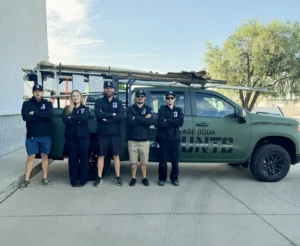
At Garage Door Grunts, we diagnose strange sounds and solve the real problem — not just quiet the symptom. If your garage door is making noises it never used to, or behaving differently, we’re here to help you figure it out.