Noisy Garage Door? What Each Sound Means and When to Worry
By Kyle Ronan, owner of Garage Door Grunts · Marine veteran · about 10 years as a garage door tech · Updated October 2026
Short answerSqueaks usually mean dry hinges, rollers or bearings; grinding and rattling usually mean worn rollers or loose hardware; a door that slams or bangs is usually out of balance because the springs are tired. Lubricating the moving parts (not the tracks) is safe to do yourself. Slamming, popping or a sudden new noise means call a pro.
Loose nuts and bolts, worn rollers, a loose chain on the opener
Slamming or banging when it closes
Door out of balance: the springs have lost strength
Popping or snapping
Springs or cables under strain. Have it checked.
Opener straining or grinding
Worn gears or sprocket, often from lifting a door with tired springs
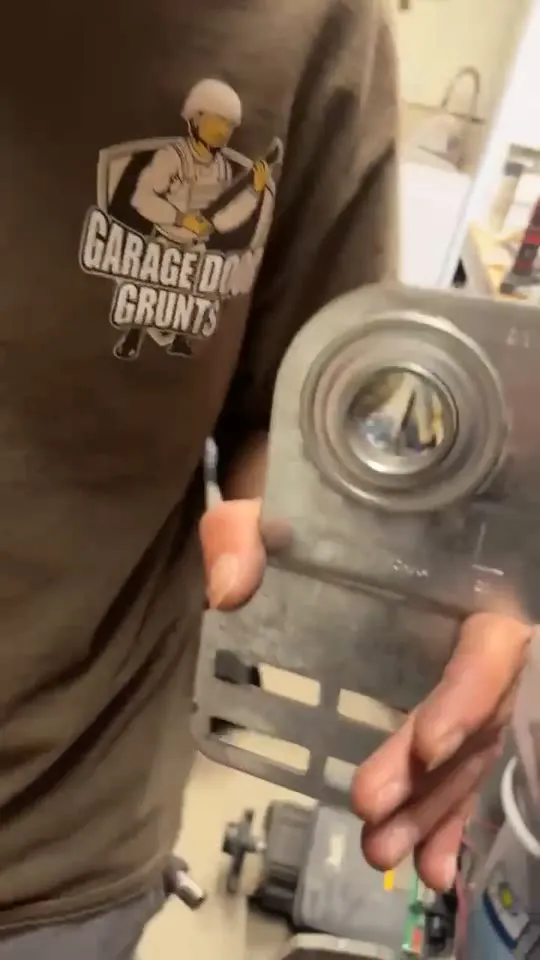
0:10Video: A good bearing next to a worn one. Worn bearings squeak, grind and drag.
Safe things to try first
Close the door and unplug the opener.
Lubricate hinges, roller bearings (not plastic rollers), the end bearings at each end of the spring bar, and the springs themselves, using a garage door lubricant or white lithium spray.
Don’t grease the tracks. Grease in the track collects Valley dust and makes things worse. Wipe the tracks clean instead.
Don’t touch the springs, cables or bottom brackets (where the cables attach); they’re under high tension. If the noise is coming from there, call us.
Plug the opener back in and run the door a few times.
Roller upgrades: the biggest noise fix
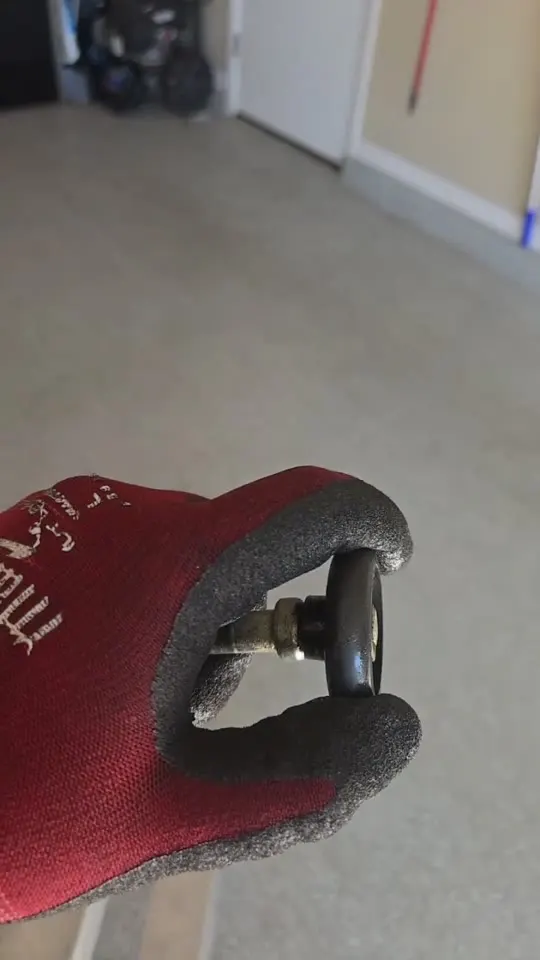
Many builder doors come with basic rollers that wear quickly. Nylon rollers with sealed ball bearings run much quieter and last far longer. In Waddell, a two-year-old home’s doors were already creaking, and new ball-bearing rollers made both noticeably quieter. Precision ball-bearing rollers are rated for about 100,000 cycles.
0:18Video: The basic plastic rollers many track homes come with, next to upgraded nylon rollers with longer stems.
Checked the basics and it still won’t cooperate? That’s when to call a tech. Phones answered 24/7.Call (623) 219-8460Book online
Noises that are warnings
A door that slams. In Sun City a slamming, loud door turned out to be a 2015 spring that had lost tension, leaving the door 15 pounds out of balance.
A sudden new sound. In Goodyear a door ran loud and rough for about a month before the homeowner spotted a broken spring.
Popping from the springs or cables. Have them checked before they let go.
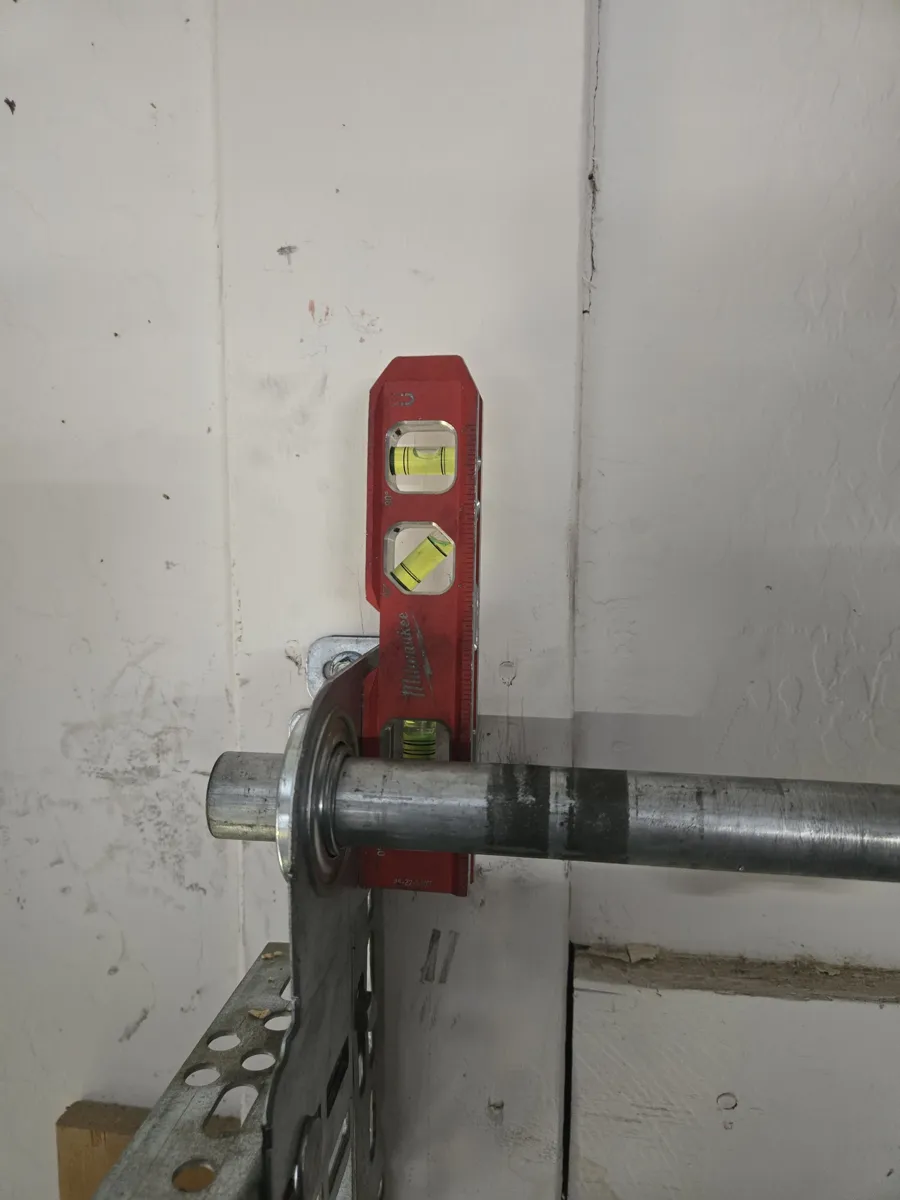
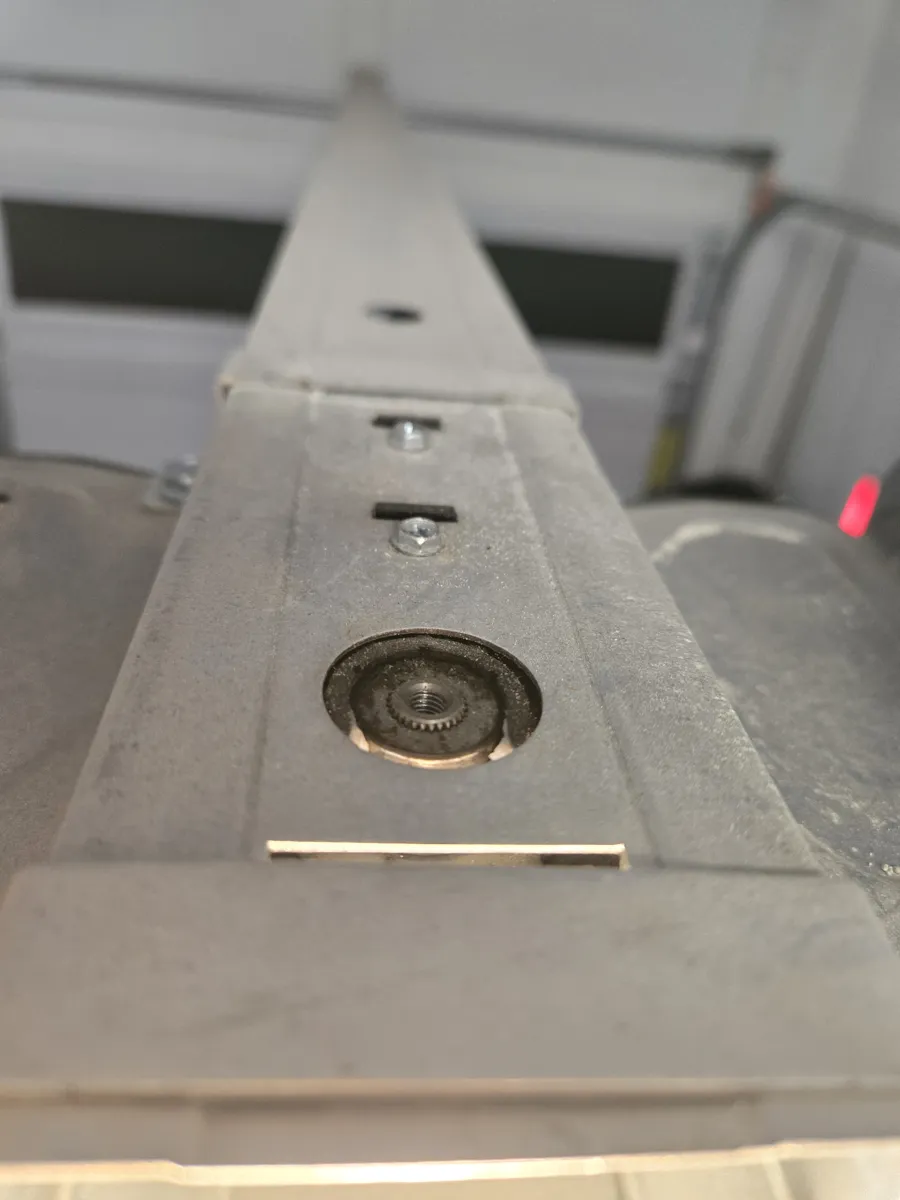
This Peoria door ran smoothly but squeaked on the way down, and the homeowner couldn't find the source. Our tech traced it to a seized end bearing, the part that holds the torsion tube at each end of the door, along with rattling rollers. We replaced the end bearing plates, and the door now runs smoothly and quietly.
Waddell · March 2026
Quieter Doors With New Rollers in Waddell
This Waddell home is only two years old, but its garage doors were already creaking and noisy. We replaced the rollers on the two doors used most with ball-bearing rollers (the old ones are pictured), which made both doors noticeably quieter and smoother.
New River · March 2026
Tune-Up and Roller Upgrade in New River
We met this New River homeowner at a local community event and came out for a full garage door tune-up. Our tech also upgraded the door to 13-ball precision-bearing nylon rollers, which run much quieter than stock rollers and last far longer.
Sun City · September 2026
Slamming, Noisy Door Fixed in Sun City
A Sun City homeowner booked routine maintenance because the door was slamming shut and running loud. Our tech found a spring from 2015 that had lost tension, leaving the door 15 pounds out of balance on the scale (pictured), and rollers that were rattling in the track. We replaced the spring and rollers, and the door now closes gently and runs much more quietly.
What it costs
Our tune-up is $49.95 and covers lubrication, tightening, a balance check and a full safety inspection, and it’s waived when you approve any repair. Rollers, bearings and springs are priced in writing first. See every price we charge.
Door getting louder?
A $49.95 tune-up usually quiets it down, and catches worn parts before they break.
Usually dry or worn rollers, hinges and bearings, or loose hardware. A door that slams is usually out of balance from tired springs.
What is the best lubricant for a garage door?
A garage door lubricant or white lithium spray on hinges, roller bearings, end bearings and springs. Don’t grease the tracks.
Should I lubricate garage door tracks?
No. Grease in the tracks collects dust. Wipe the tracks clean instead and lubricate the rollers’ bearings.
Are nylon garage door rollers quieter?
Yes. Nylon rollers with sealed ball bearings are much quieter than basic rollers and last much longer.
Why does my garage door squeak when it closes?
Usually dry hinges or rollers. On one Peoria door it was a seized end bearing, the part that holds the spring bar.
Why does my garage door bang when it closes?
The springs have lost strength, so the door comes down too heavy. Have the balance checked.
How often should I lubricate my garage door?
Twice a year, before summer and in the fall, and any time it starts to squeak.
Need it fixed? We handle it
Our techs repair and install all of this across the Phoenix Valley. Prices are on our pricing page, and phones are answered 24/7 at (623) 219-8460.
About the author: Kyle Ronan
Kyle comes from a family with more than 20 years in the garage door industry and has about 10 years of his own as a service technician and installer, on residential and commercial doors. Before that he served eight years in the United States Marine Corps (2009–2017), including Operations Iraqi Freedom, Enduring Freedom and Freedom’s Sentinel. He has worked for big-name companies in the industry and holds two Arizona ROC dual licenses (residential and commercial): #333915 (CR-60) for garage doors and #364504 (CR-14) for gates. He started Garage Door Grunts in North Phoenix because he’s seen service from every side, and he knows what it should look like. We’re here to stay. About Garage Door Grunts.